Christèle Simeoni
7 min min read
Using Virtual Reality Training to Solve Labor Shortages
CS
Christèle Simeoni
Co-founder & CMO, VRAI Learning
In the United States, the shortage of mechanics is evident and virtual reality training is assisting automotive companies in training new learners.
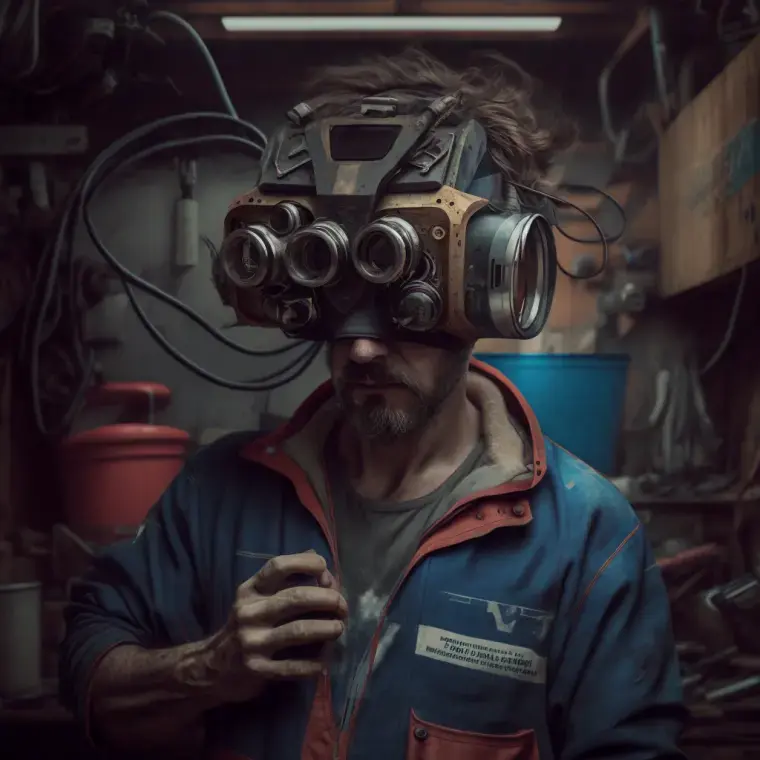
"The first tool that the mechanical trainees of the 'Vehicles for Change' program in Maryland choose isn't a wrench, but a pair of virtual reality glasses."
In France, the situation is similar: many technical jobs are in demand, and the high training costs combined with unvalued qualifications hinder entry into these fields. However, immersive learning and the democratization of educational content creation tools are opening a new path.
Why Are Mechanical Jobs in Short Supply?
In the United States, 76,000 mechanic positions are needed each year, and half remain unfilled. This shortage directly affects repair workshops: longer delays, increased maintenance costs, and — inevitably — a degraded customer experience for automotive groups. In France, the situation is not more reassuring: 33,000 young people are trained each year, but between 20,000 and 25,000 technicians are needed to meet industry demands. Moreover, requirements have evolved: traditional mechanical skills now must be accompanied by embedded computing knowledge, essential for maintaining modern vehicles (electric, hybrid, connected).
Traditional training methods struggle to keep pace: they are costly, material-intensive, difficult to scale, and do not always allow the safe reproduction of rare breakdowns or complex situations.
How Does Virtual Reality Training Help Solve Wo
Virtual reality (VR) training enables technicianbe trained faster, at lower costs, and on a largescale. By faithfully reproducing technical gestures in a simulated 3D environment, VR eliminates constraints related to physical equipment, reduces training costs by 40 to 60% depeallows each learner to repeat complex or dangerousprocedures without risk. According to PwC ( master skills four times faster than traditionaltraining, with a retention rate 75% higher. For sectors like automotive mechanics, where 20,000 to 25,000 positions are unfilled in France each year, VR represents a direct tool ton future technicians — even in geographicallydistant areas from training centers.
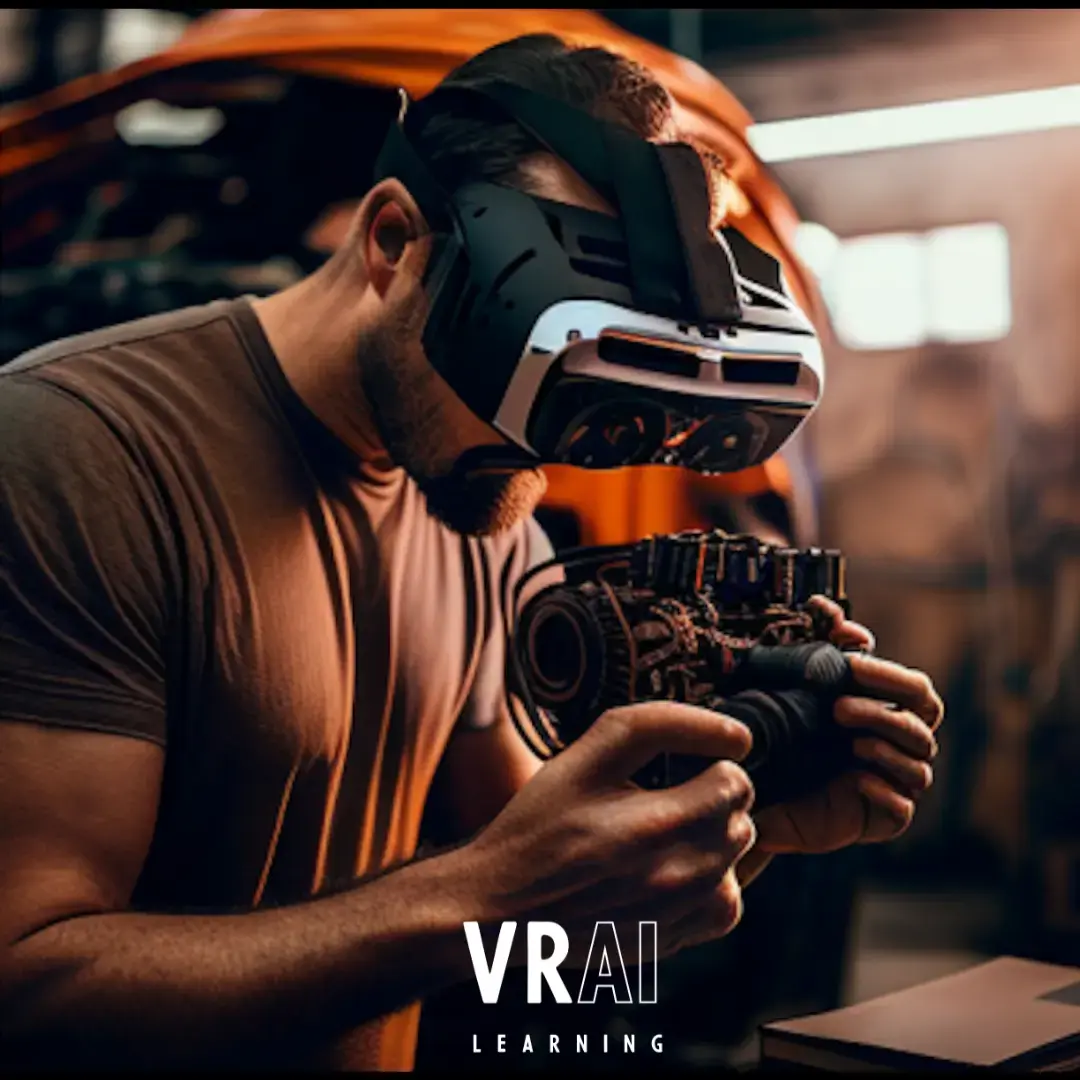
Learning by Doing at the Heart of VR Training
For technical professions like mechanics, learners can watch the instructor perform necessary gestures, then immediately replicate them with virtual reality headsets. It's earning by Doing — learning throughpractice — applied to environments that could not be easily recreated in a classroom.
Virtual reality training allows:
- Directly manipulating depicted objects (engin-fidelity 3D environment
- Making mistakes and starting over without consequence, until mastering technical gestures
- Repeating rare or dangerous scenarios — elect fluid, under-vehicle intervention — in a completely secure framework
- Anchoring automatisms more quickly thanks to by the simulated physical action
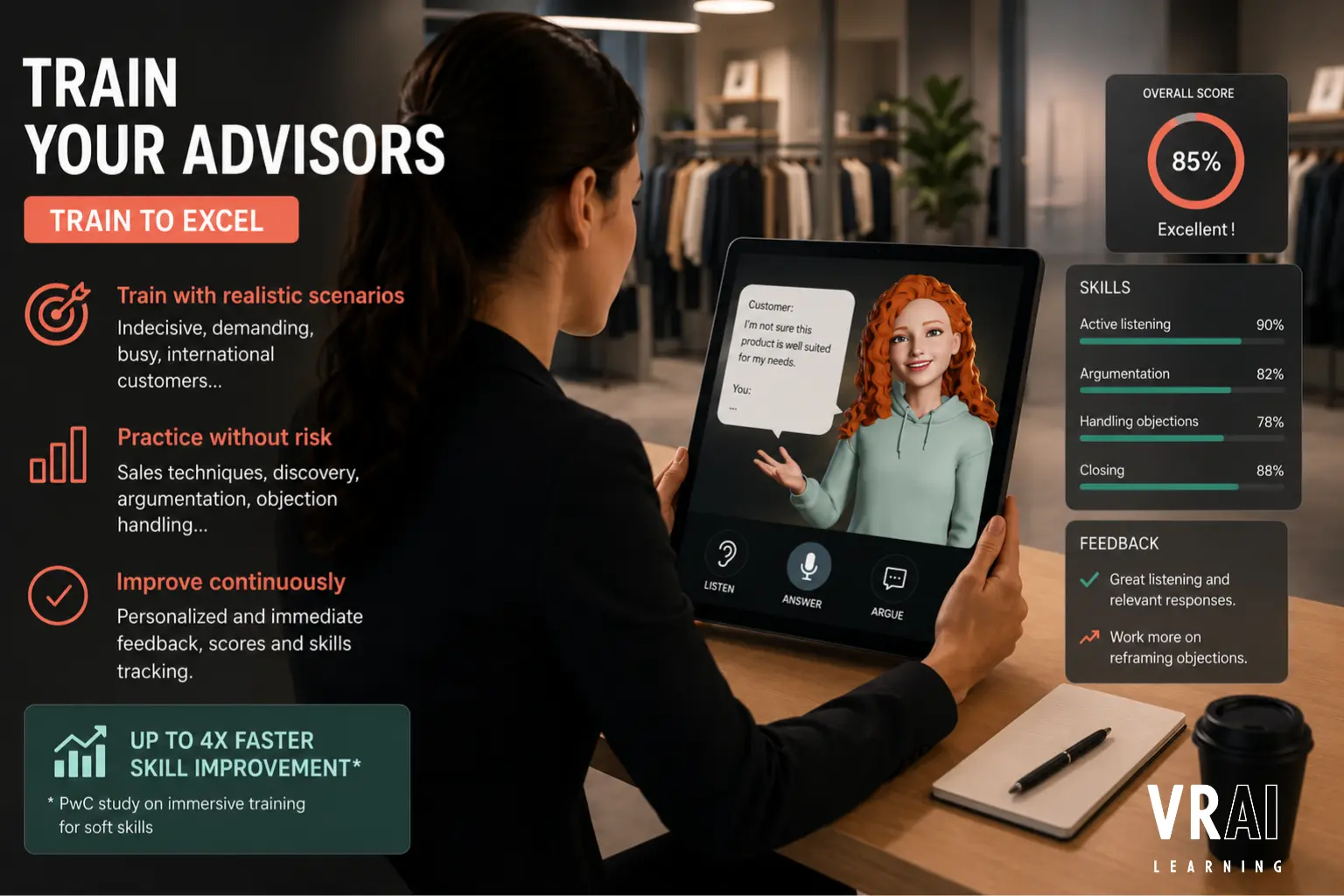
According to PwC (2020), VR-trained learners master skills four times faster with a retention rate 75% higher than in traditional classroom training.
Automotive Brands That Have Already Taken the major automotive groups were among the firstfor technical training. Volkswagen, Toyota, BMW,Ford, and Renault have all integrated VR modules into their training curricula for dealership or factory technicians.
These systems allow the standardization of maintenance procedures on an international scale, training technicians on new models even before their market release, and reducicustomer vehicles.
To further explore the automotive manufacturers'ted article: Virtual Reality at the Service of Professional Training — the Example of Automotive B
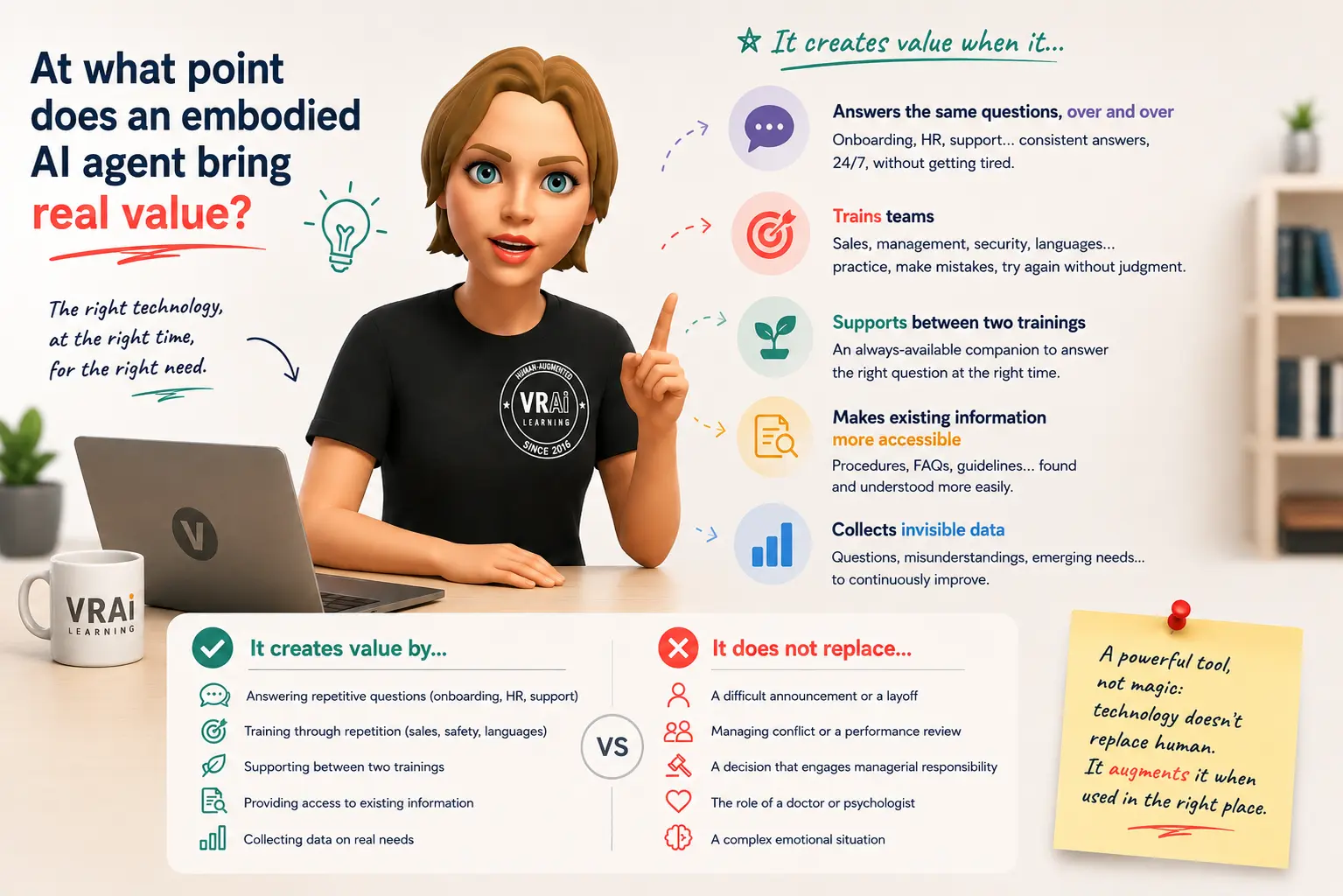
AI Avatars and VR Training: Supporting Trainers
Virtual reality is even more effective when combavatars">conversational AI avatars. In atraining module for mechanics, an avatar can:
- Play the role of the instructor – guide the lh the procedure, explaining each step
- Evaluate gestures in real-time and point out errors without waiting for the end of the session
- Adjust pace and difficulty according to the l
- Answer questions in natural language, like a human trainer available at any time
For schools and automotive groups, it's a concremultiply training capacity without multiplyingtrainers — each learner benefits from personalized support at their own pace.
What VR Changes Tangibly for Workshops and Schools
Beyond statistics, the operational benefits of virtual reality training for mechanics are immediate:
- Up-to-date Practices: VR modules can integrate new technologies (electric vehicles, embedded diagnostics)and be updated without redesigning entire training
- Knowledge Preservation: the gestures of expert technicians are captured and passed on to new generations without relying on a single trainer
- Scalability: the same module can be deployed in all dealerships or schools of the network, simultaneouslyregardless of geographic location
- Cost Reduction: no consumable parts, no vehicle immobilized for training, no need for learners to travel to a dedicated center
For a detailed analysis of the measurable benefits of VR training, check out our dedicated page.
How to Deploy VR Training for In-demand Jobs?Deploying virtual reality training for in-demandial maintenance, welding, electrotechnics — followsa three-step logic. First, identify critical gestures or difficult-to-reproduce situations (rare breakdowns, constrained interventions, high-risk procedures). Second, pedagos with a partner like VRAI Learning, including 3Dmodeling of real work environments and the integration of AI avatars for real-time support. Third, scale up the deployment via a VR-compatible LMS, enabling personalized tracking o, and distribution to multiple sites simultaneously. The return on investment is usually achieved in 12 to 18 months for setups with over 100 learners per year.
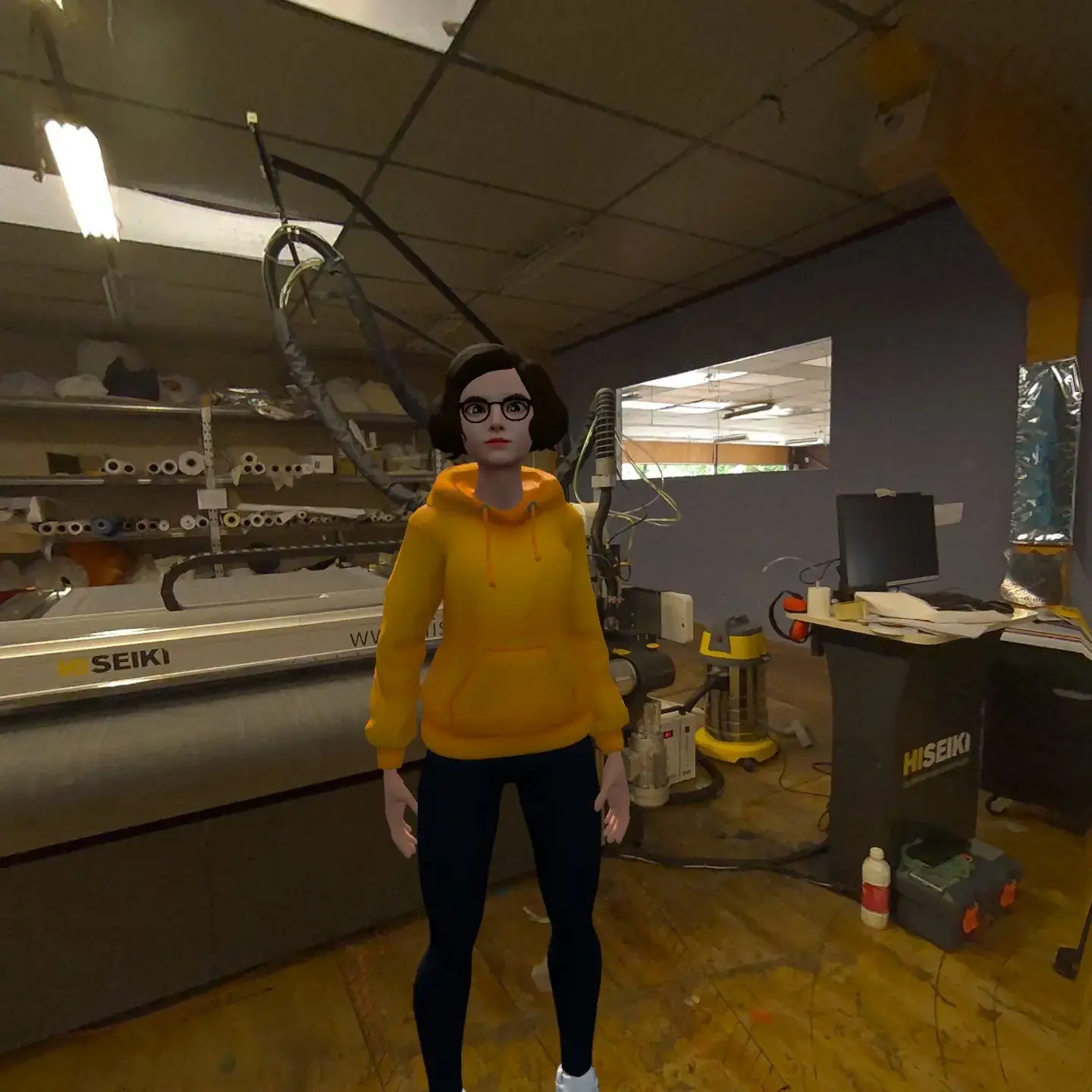
Training Tomorrow's Mechanics with VRAI Learning
Developing VR educational content with a range of situations is a concrete opportunity for automotive groups and schools wishing to update, preserve, and share their practicians.
At VRAI Learning, we design custom immersive traealistic VR environments and AI avatars forcomprehensive support — during and after the session.
Schedule a demo to discover what virtual reality can bring to your technical training program.
Frequently Asked Questions
Is Virtual Reality Training Suitable for Technical Jobs Like Automotive Mechanics?
Yes, VR training is particularly effective for t the repetition of precise gestures in environmentsdifficult to recreate in a classroom. For automotive mechanics, a VR module can simulate the interior of a vehicle in high fidelity, reproduce model-specific breakdowns, or rr fluid pressure. The learner handles tools andparts in an interactive 3D environment, which activates procedural memory far more effectively than a video or manual. Manufacturers like Volkswagen, Toyota, and BMW alrerain their technicians even before the marketrelease of their new models, reducing workshop intervention errors and accelerating skills acquisition.
What Is the Cost of a VR Training Module for an Automotive Workshop or School?
The cost of a VR training module depends on the s, the desired 3D fidelity level, and the number oftargeted learners. For a custom setup — like simulating a maintenance procedure on an electric vehicle — initial development represents a higher investment than a standard classt per learner significantly decreases with volume.Generally, companies see a return on investment within 12 to 18 months if over 100 learners use the module per year. VR also eliminates recurring costs related to spare parts ues, immobilized vehicles, and trainee travel totraining centers.
How Does VR Training Contribute to Reducing Workforce Shortages in the Automotive Industry?
VR training works on several levers simultaneousrtages in automotive jobs. It accelerates skillacquisition — up to four times faster, according to PwC — allowing more technicians to be trained in less time. It reduces logistical requirements related to training, enabli training centers to access the same courses. Itmakes training more attractive to younger generations, accustomed to digital and interactive environments. Finally, coupled with AI avatars, it allows a single trainer to superviseneously, significantly increasing training capacitywithout increasing personnel costs. These combined levers enable automotive groups and CFA to more quickly fill their recruitment gaps.
What Other Sectors Facing Workforce Shortages By Training?
Beyond automotive mechanics, virtual reality training is used in all sectors facing shortages of qualified labor and complex technical training. The manufacturing industry usesproduction lines or dangerous machines. Theconstruction industry employs it for safety training, working at heights, or operating equipment. Healthcare trains aides and nurses on technical skills through clinical simulatnotably nuclear and renewable energy — uses VR toprepare workers for hazardous environments. In each of these sectors, the principle is the same: reproduce hard-to-access real situations, reduce training costs, and accelerate lion.
Sources: CareerOnline —
Also Read
Virtual Reality Training inBusiness: The Complete Guide
Methods, costs, use cases, and results for deploon.

Christèle Simeoni
Co-founder VRAI Learning (2023) · CMO
15+ years of expertise in digital marketing and EdTech. International career: Québecor (TVA), Adviso Montreal, Marketing Director at Holberton School. On this blog, she unpacks the best marketing and communications strategies to maximise the ROI of immersive learning and AI avatars.
See immersive training in action
Personalised demo, no commitment. We show you what it looks like for your context.
Book a demoExplore our solutions