Virtual reality & AI avatar
Zero accidents. A hundred simulations.A safety video explains the danger. Virtual reality makes you live it. When an operator falls virtually from a 10-metre scaffold, their brain records an emotional memory, not information. It is that memory that creates the reflex to check the harness. The AI avatar trains workers to intervene on colleagues' risky behaviours, the hardest skill to teach.
Where accidents really happen
Experience the risk before facing it
Accidents involving running machinery are the leading cause of serious industrial injuries. VR simulates the exact conditions: noise, vibration, time pressure. The operator practises lockout/tagout procedures until they are instinctive, including scenarios where they might be tempted to take a dangerous shortcut.
- Full and verified LOTO lockout/tagout procedures
- Electrical, mechanical and pneumatic hazards
- Voluntary risk-taking scenarios to embed the right reflexes
- Virtual authorisation before access to hazardous zones
The operator must intervene on a hydraulic press for a material blockage. Production is waiting. The pressure is real.
VR puts them face to face with the choice: take the dangerous shortcut or apply the full lockout/tagout procedure.
If they bypass the procedure, the simulation triggers the accident, with the emotional impact that embeds the reflex for good.
LOTO compliance score, procedure timing, temptation points identified. LMS traceability for audits.
The alarm sounds. The warehouse fills with smoke. Visibility drops to 3 metres. The employee must find the exit.
They locate the nearest extinguisher, assess whether the fire is manageable, decide to evacuate without unnecessary risk.
They guide a simulated colleague to the assembly point while communicating with the evacuation manager.
Evacuation time, decisions made, plan compliance. Report available for the safety committee without mobilising the plant.
The evacuation drill without stopping production
A standard evacuation drill mobilises the entire plant, disrupts production, and is forgotten within weeks. VR lets every employee experience the evacuation individually (with smoke, heat and disorientation) without stopping a single machine. And repeat it until the right reflexes are embedded.
- Emergency evacuation with simulated smoke and disorientation
- Locating extinguishers, hose reels and emergency exits
- Using fire-fighting equipment
- Assembly point and crisis communication
Learning to stop a colleague
80% of accidents involve a behavioural factor. Training workers to intervene on a colleague's risky behaviour is the hardest skill, no one wants to create conflict. The AI avatar plays the colleague taking a risk: no PPE, under pressure, in a hurry. The operator learns to intervene assertively, without aggression, and not to let it happen.
- Intervening on a colleague's risky behaviour
- Resisting production pressure on safety
- Reporting dangerous situations without fear
- Building a positive, non-punitive safety culture
The avatar plays a rushed colleague starting an intervention without PPE. "It's fine, just 5 minutes." Delivery is at 4pm.
The operator must intervene. The avatar tests their resolve: minimises the risk, invokes the manager's pressure, appeals to camaraderie.
They learn to intervene without aggression, to resist social pressure, to hold their position.
Assertiveness score, replay of hesitation moments. The same scene with a line manager applying pressure, level 2.
From HSE audit to trained prevention plan
Risk analysis
We work with your safety committee, HSE leads and risk assessment document to identify priority training situations.
Risk scripting
Each identified risk becomes a VR or avatar scenario: risky situation, possible dangerous choice, simulated consequences. Validated by your HSE team before production.
Deployment & compliance
Integration into your LMS for regulatory training traceability. Scores and virtual authorisations are exportable for your safety audits and insurers.
AI avatars, integrated directly into your safety VR scenarios
Add a conversational AI character to any VR environment. Your learner interacts with a virtual HSE officer, a colleague or a victim to assist, in the scene, in real time, with emotional analysis.
- Avatar present inside the 3D scene (not a chat window)
- Real-time spoken conversation, voice detection
- Emotional analytics: stress, confidence, assertiveness
- Configurable role, personality and expertise
Puts on the headset. Enters a simulated industrial site where an incident just occurred.
A virtual HSE officer asks them to apply the appropriate emergency procedure.
The learner responds verbally, states the steps. The avatar reacts, corrects if needed.
End of session: compliance score, procedure errors spotted, areas for improvement.
Go deeper
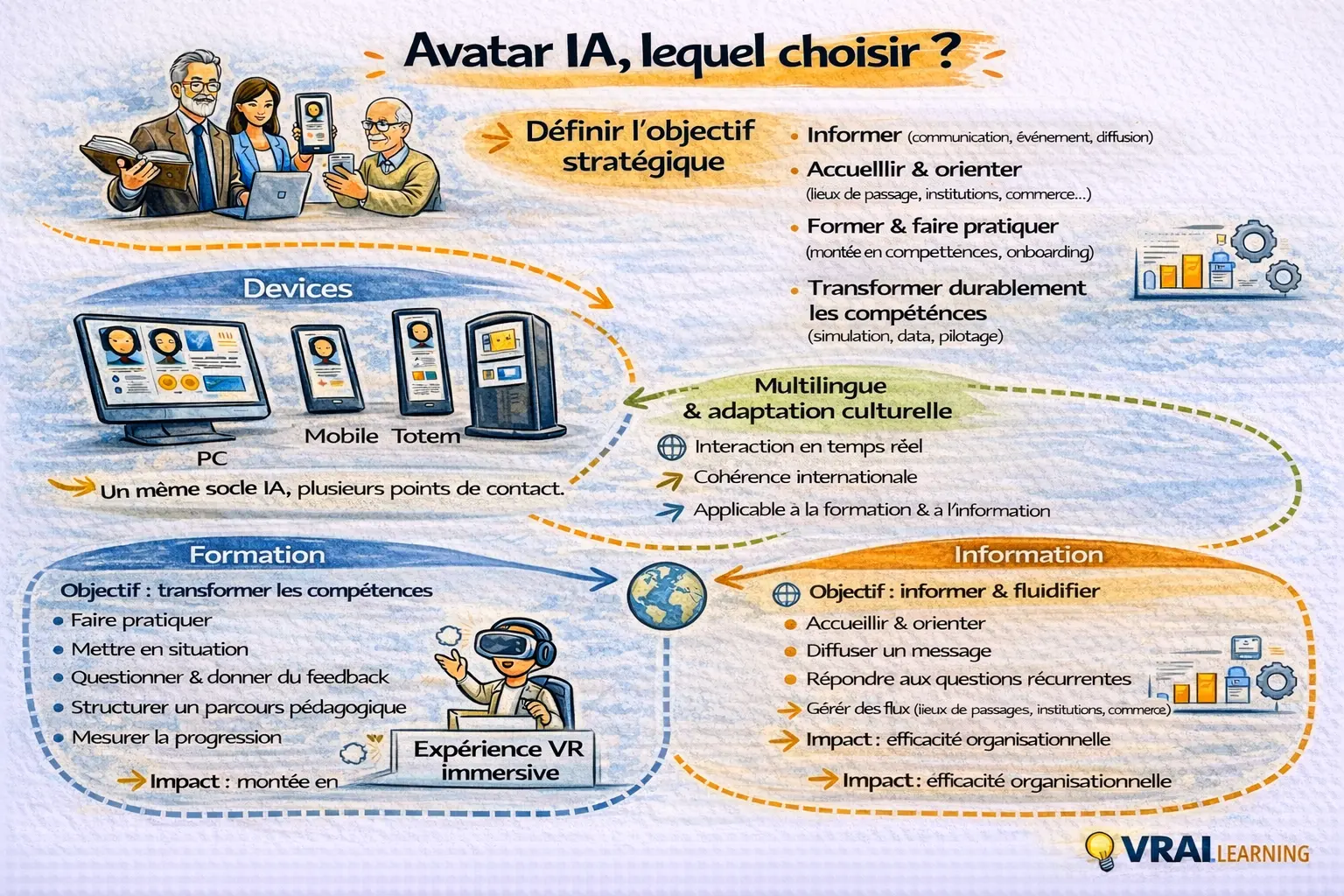
AI Avatar for Business: Training, Onboarding or Information?
An AI avatar that informs is not an avatar that trains. The AI avatar market is taking shape. On one side, avatars designed to inform; on the other, avatars designed to "help people learn". But behind the term "AI avatar", confusion persists — and mixing them up means missing the point, and potentially investing in the wrong tool for the wrong use case. Understanding this distinction has become essential for training, innovation and HR decision-makers....
Read article →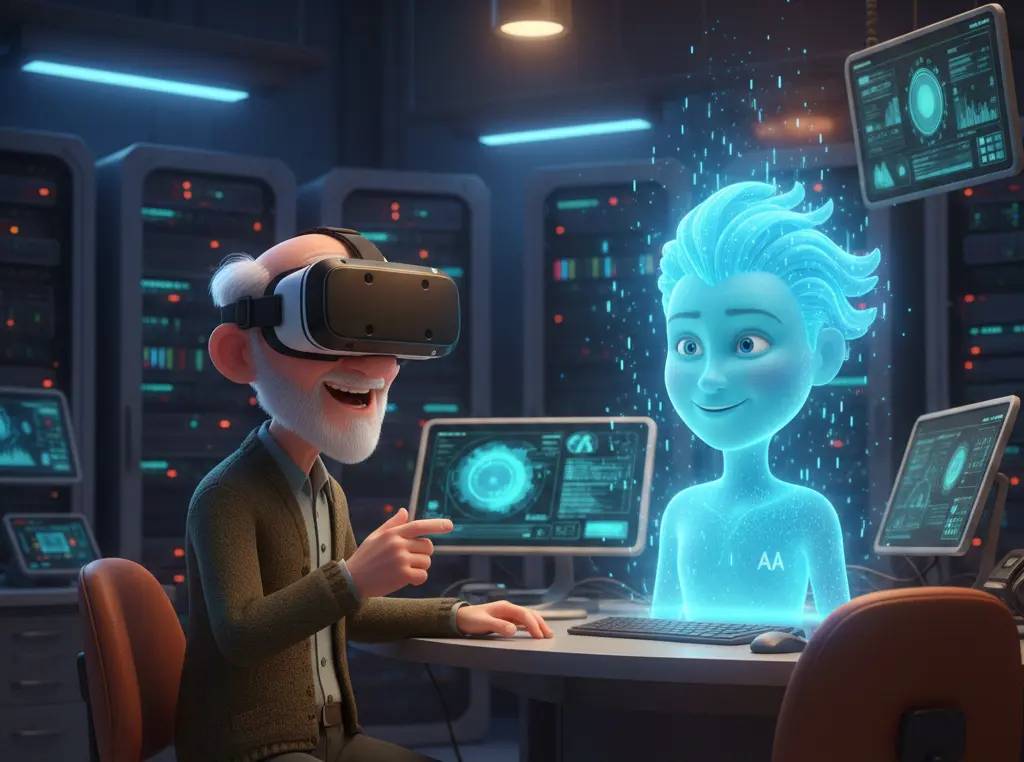
Learning : how VR transforms the rise of skills
In-company virtual reality (VR) training involves immersing employees in immersive environments to train them in close-to-real situations, without risk and at a lower cost. In addition to face-to-face and e-learning, VR allows organizations to standardize their training, accelerate skills development, and sustainably increase team engagement. The learner is no longer a spectator: he becomes an actor in his learning. Why virtual reality training is an asset for businesses The main benefits VR...
Read article →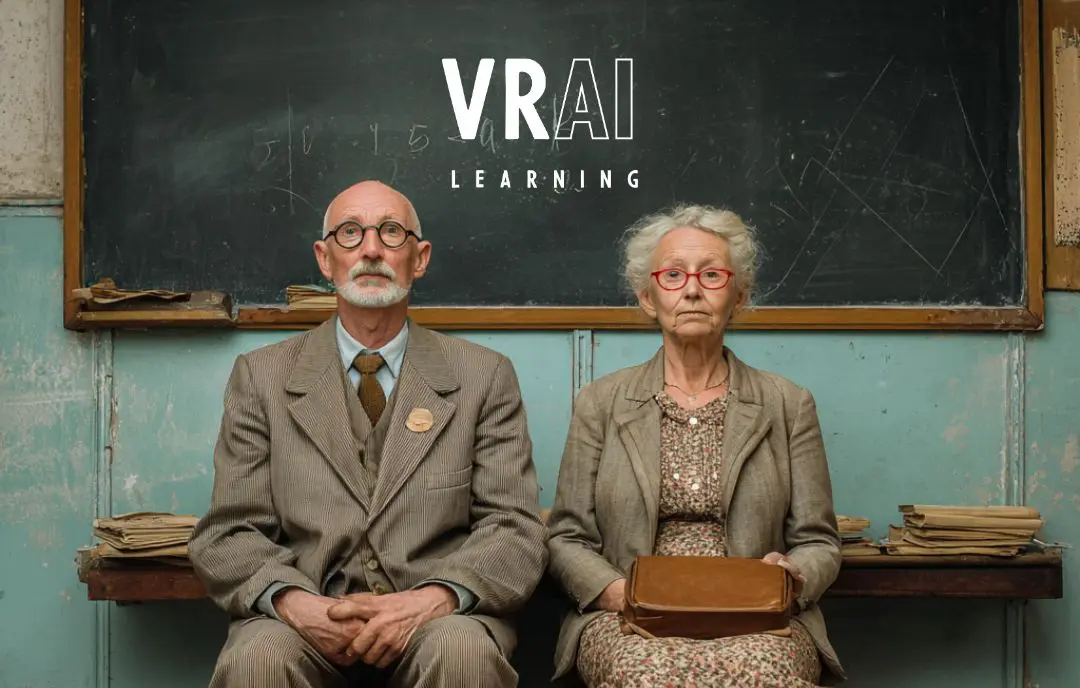
Train seniors: VR and AI avatars to boost skills
Virtual reality and AI avatars transform senior training into a human, immersive experience. Discover how inclusive innovation breaks down digital barriers and strengthens intergenerational exchange.
Read article →Questions about HSE safety training
Are VR HSE trainings recognised by regulatory bodies?
VR complements existing regulatory training (CACES, electrical certifications, working at height), it does not replace them. It enables intensive practice before formal assessments, improves pass rates and reduces the number of attempts needed. Some bodies are beginning to integrate it into their frameworks.
How do we justify the investment to management?
In 2023, France recorded 555,803 workplace accidents with sick leave (French Health Insurance). Each one carries direct costs, plus indirect costs that the INRS estimates to be of the same order. VR lets teams rehearse risky situations without exposure, and analytics track progress. We can help you build a costed business case for your management.
Is this suitable for small companies without a dedicated HSE team?
Yes. Even without a dedicated HSE team, we co-build the programme with you from your actual risks: DUER analysis, scenario creation around your own equipment, avatar configuration. SMEs benefit from the same level of personalisation as large groups, scaled to their size. The mentor avatar then supports learners in their day-to-day safety questions without requiring an internal manager.
Can you integrate our Single Risk Assessment Document (DUER)?
Yes. We work from your DUER to prioritise the most critical scenarios. Training is personalised to your specific risks, not generic modules that do not reflect your reality on the ground.
Can training data be used for audits?
Yes. Each session generates an xAPI trace: score, time spent, decisions made, certification obtained. This data is exportable for your CHSCT reports, DREAL audits and insurer declarations.
Ready to train your teams safely?
Personalised demo on your field risks.
We gave our AI avatars the floor.
Now it's your turn to challenge them.
45 minutes live to understand, test, and decide if AI avatars belong in your company. Free, online, limited seats.
More infoWith your consent, we use audience measurement cookies (Google Analytics 4) to improve the site. Your data is never sold.
Cookie settings
Choose which cookies you accept. You can change your choice at any time via “Manage cookies” at the bottom of the page.